


You put on your glasses, expecting clear vision, but something feels off. Your eyes strain to focus, you start to get a headache, and you find yourself squinting more than usual. Advance Eye Care Center understands that this frustrating experience affects many people when their prescriptions no longer match their current vision needs.
If you’re experiencing persistent discomfort, blurry vision, or headaches with your current glasses, your prescription may be wrong. This could be due to either natural changes in your vision or errors during the eye exam process. Professional eye exams can quickly determine whether your symptoms stem from prescription issues or other vision changes.
Signs Your Glasses Prescription May Be Incorrect
When your prescription doesn’t match your current vision needs, your body often lets you know. If you notice any of the following persistent issues, it’s time to consider whether your prescription needs updating:
- Eyestrain & fatigue after reading or screen time
- Persistent headaches, especially around your temples
- Neck & shoulder pain from tilting your head to see clearly
- Dizziness or nausea, particularly with new glasses
- Double vision or ghosting effects
- Burning or itchy eyes that feel constantly tired
- Difficulty focusing on objects at any distance
These symptoms often overlap with digital eye strain from prolonged screen use. Digital eye strain affects millions of people who spend hours looking at computers and mobile devices.
Common Reasons Your Prescription Changes
Sometimes, prescription-related issues are caused by natural changes in your eyes, while other times, human error plays a role.
Natural Vision Changes Over Time
Your eyes change throughout your life, just like the rest of your body. Children experience rapid prescription changes as their eyes grow and develop—sometimes needing updates every 6 months.
Adults face more gradual shifts, but aging brings specific challenges. After age 40, presbyopia commonly develops, making close-up tasks like reading increasingly difficult. Your eye muscles also weaken over time, and conditions like cataracts can cloud your natural lens.
Human Error During Eye Exams
Even experienced professionals can make mistakes. For instance, a technician might misread measurements, enter incorrect data into the computer, or miscommunicate specifications to the lab.
These errors happen more often than you might think, but they’re easily correctable once identified. Your eye doctor can quickly verify and update any incorrect measurements.
Normal Adjustment Period & When to Seek Help
Your brain and eyes need time to adapt to a new prescription. However, this adjustment period has limits, and persistent discomfort signals potential problems.
First-time glasses wearers typically need 1 to 2 weeks to feel completely comfortable. If you’re adapting to a new prescription change, give yourself 3 to 5 days. Bifocals or progressive lenses require the longest adjustment — up to three weeks.
Keep in mind that some symptoms require immediate professional attention rather than a wait-and-see approach. If you experience severe headaches that worsen over time, if your vision seems worse than before getting new glasses, or if you experience persistent double vision and balance problems, contact your eye care provider right away.
Can Wrong Prescriptions Damage Your Eyes
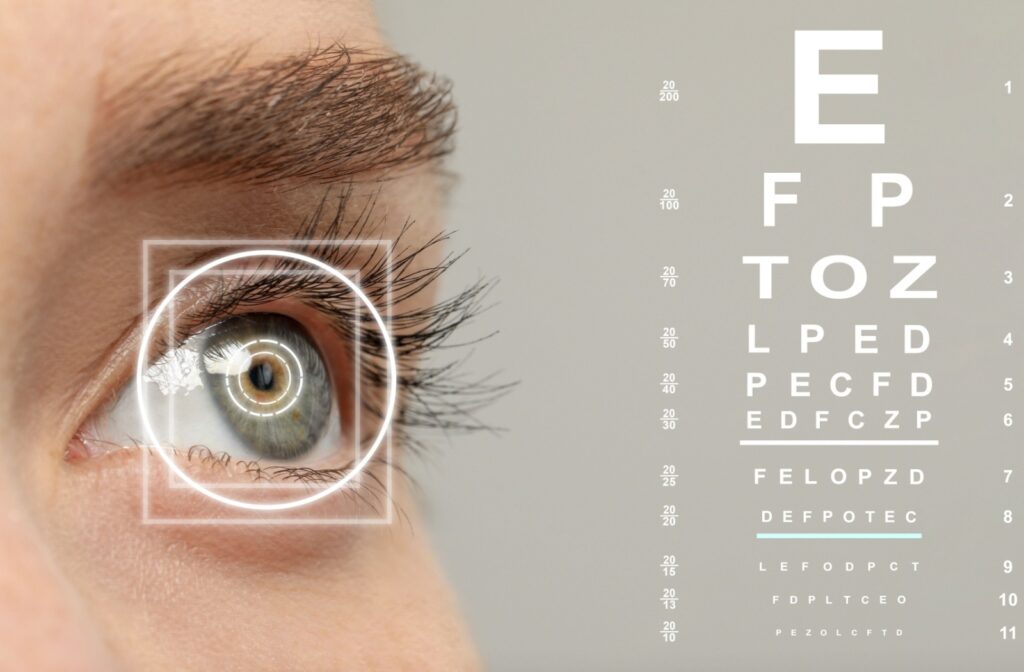
The good news is that an incorrect prescription won’t cause permanent damage to your eyes. However, the temporary discomfort can significantly impact your daily activities and quality of life.
Your eyes deserve better than constantly struggling to see clearly, which is why we recommend regular comprehensive eye exams to help prevent these issues from developing.
How Your Eye Doctor Regina Can Help
If you think your prescription might be wrong, a comprehensive eye exam can provide the answers you need. As your eye care professional, we can identify whether the issue stems from prescription errors or changes in your vision.
We can also evaluate your overall eye health and check for conditions like glaucoma, cataracts, or dry eyes that might affect your vision. This thorough approach addresses any underlying issues alongside your prescription concerns.
Minor prescription errors can often be corrected quickly with simple adjustments. For more significant vision changes, your doctor can provide a completely new prescription tailored to your current needs. Our diagnostic technology helps us arrive at accurate measurements of your vision.Don’t let an incorrect prescription diminish your quality of life. Our team at Advance Eye Care Center combines modern diagnostic technology with personalized care to provide you with the clearest, most comfortable vision possible. Schedule your comprehensive eye exam today to get the prescription that’s right for you.