


Your eyes are red, watery, and uncomfortable, but you’re not sure what’s going on. You’ve tried eye drops, maybe even allergy medication, but nothing seems to help. At Advance Eye Care Center, we know that the frustrating guessing game is more common than you might think, and it usually comes down to 1 key question: Do you have dry eye or allergies?
Dry eye and eye allergies can seem very similar on the surface, but they’re 2 different conditions that respond to different treatments. Getting the right answer through a comprehensive eye exam can help you get started on the path towards comfort.
Different Problems, Similar Symptoms
Both dry eye and eye allergies can cause redness, irritation, and watery eyes, and it’s that overlap that makes them so tricky to sort out on your own. To make things even more complicated, it’s completely possible to have both at the same time.
Because the symptoms can feel so similar, you may accidentally be treating 1 condition when you actually have the other. Knowing what’s actually going on inside your eyes is the first step toward real relief, which is why a thorough eye exam is so important.
What’s Actually Going on with Your Eyes
Eye Allergies
Eye allergies can occur when your immune system reacts to something in your environment, such as pollen, pet dander, or dust. Your body releases a substance called histamine in response, which triggers inflammation and that familiar itchy, irritated feeling.
Dry Eye
Dry eye is a tear film problem. Either your eyes aren’t producing enough tears, or the tears evaporate too quickly to keep your eyes properly lubricated. Screen time, wind, dry air, and aging can all worsen dry eye. Unlike allergies, dry eye tends to be more persistent, though symptoms can worsen during activities like long periods of screen use.
Key Differences Between Dry Eye and Allergies
Signs That Point to Allergies
Intense itchiness is often the strongest sign that your eyes are reacting to an allergen, but you might also notice swollen or puffy eyelids. A helpful pattern to watch for is if your symptoms often improve when you leave the environment where the trigger is present. For example, if you notice that your eyes start to feel better when you step inside on a high pollen day, you might have allergies.
Signs That Point to Dry Eye
Dry eye tends to feel more like a burning, stinging, or gritty sensation, almost like something is stuck in your eye. The discomfort doesn’t follow a seasonal pattern, but it might get worse if you spend a long time on screens or in a dry room.
You might also notice your vision goes slightly blurry after long stretches of reading or screen time, then clears when you blink. Dry eye and blurry vision are more closely connected than people realize, and it’s worth knowing the signs.
Can Allergies Actually Cause Dry Eye?
Allergies don’t necessarily cause dry eye, but they can definitely contribute to its symptoms. Some oral antihistamine medications, which many people take for allergy relief, can reduce tear production over time. Allergens can also inflame the glands that keep your tear film stable.
On the flip side, when your eyes are already dry, they may have a harder time flushing out allergens naturally, which can make allergy symptoms feel more intense. The 2 conditions can feed into each other, which is why an accurate diagnosis from an eye doctor in Regina matters so much.
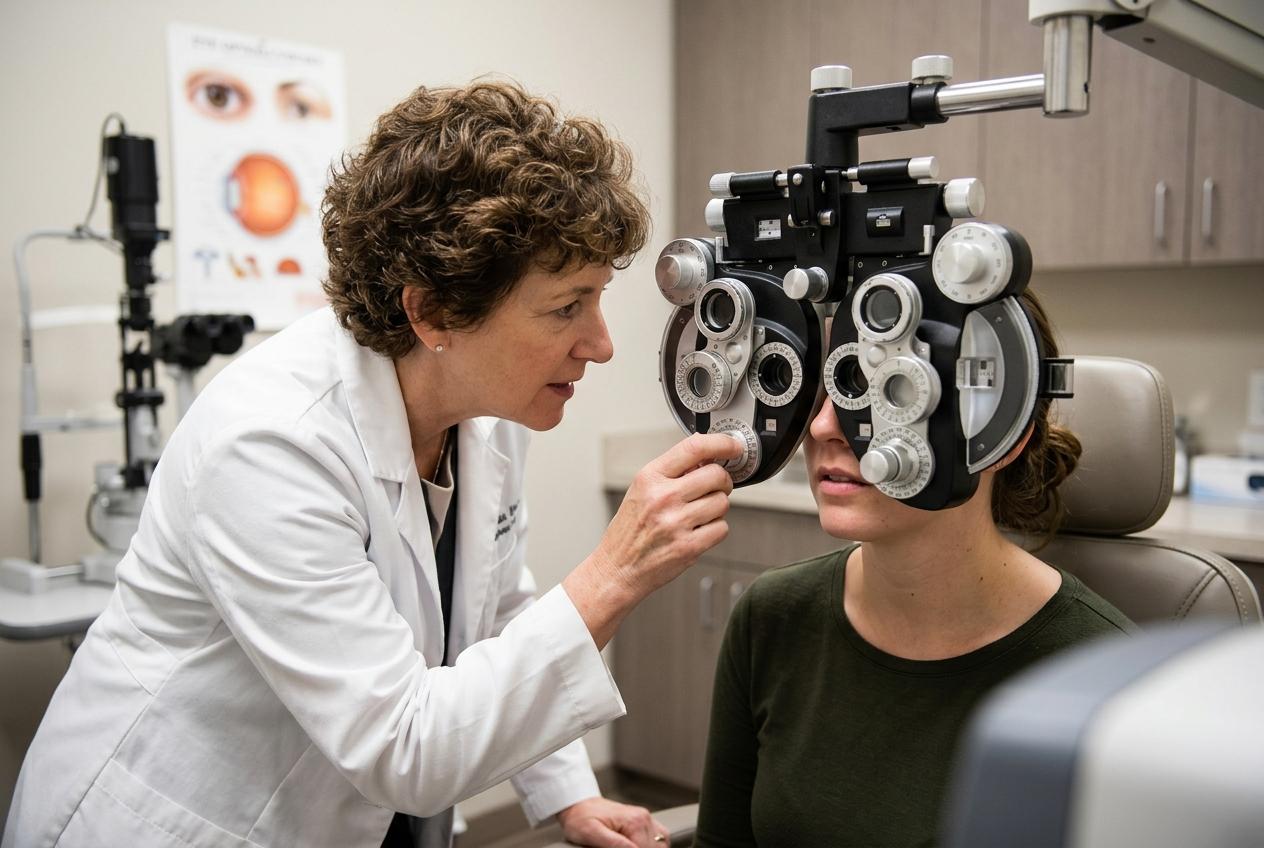
How an Eye Doctor Can Help
Relief for Allergies
For allergy-related eye symptoms, antihistamine eye drops can bring fast, targeted relief without the drying side effects of oral antihistamines. Cold compresses over closed eyes can also calm inflammation quickly. An eye doctor can help you identify your specific triggers and build a plan to reduce your exposure to them throughout the year.
Relief for Dry Eye
Preservative-free artificial tears are a good starting point for everyday dry eye comfort. Warm compresses applied to closed eyelids can help support the oil glands that keep your tear film from evaporating too fast. For more persistent dry eye, in-clinic dry eye therapy options are available to address the condition more deeply. There are also practical home remedies for dry eye relief that can complement your in-office care plan.
Schedule Your Visit with Our Team
At Advance Eye Care Center, our team takes the time to properly assess what your eyes are actually dealing with before recommending a path forward. If your eyes have been bothering you and you’re not sure why, book a comprehensive eye exam with an eye doctor in Regina and get the answers your eyes deserve.